


The Southern Highlands Who's Who
Public Profile
PUBLIC PROFILE
Emily Irene Jurss
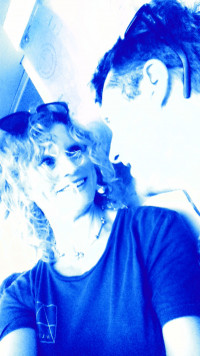
Local ResidentEmily Jurss (pictured left) with her partner Shane Lofts
Prior to the diagnosis, Emily was a senior real estate reporter for News Corp Australia.
With more than a decade of experience in journalism, her accomplishments to date include being part of a tight-knit team who founded Noosa Today and its associated real estate magazines and in her role of The Hervey Bay Independent and Fraser Coast Life & Style she was the journalist, researcher and photographer for the sold out one off publication: Past & Present: Fraser Coast Memories 2018.
Australian Reporter Emily Jurss
Connect through my public pages
Public information provided by this member.
Share this Portrait
Distinguished and Famous people from The Southern Highlands
🏏 Sir Donald Bradman
Don Bradman moved to Bowral with his family in 1911 and developed his cricket there, although he had been born at Cootamundra. His solitary practice game, using a stump and golf ball, has become almost as familiar as his Test batting average. Schooling, family life and early cricket made Bowral a formative setting before interstate and international selection. The State Library's biography also recalls choir practice and piano lessons, a reminder that childhood was not entirely occupied by batting.
📚 P. L. Travers
P. L. Travers, creator of Mary Poppins, spent part of her childhood in Bowral after her father's death in 1907. Born Helen Lyndon Goff in Maryborough, Queensland, she grew into a writer fascinated by myth, folklore and the power of stories. The State Library records her later recollection of inventing a winged-horse story to comfort her sisters during a family crisis; she considered it an early imaginative source for Mary Poppins. The first Mary Poppins book appeared in 1934. Bowral belongs to the difficult childhood years behind the writing, giving the Southern Highlands a connection with the author well before the famous nanny reached the screen.
🏡 James Fairfax
James Fairfax bought Retford Park at Bowral in 1964 and transformed the former agricultural property into a home shaped by his interests in art, furniture and gardens. A former chairman of John Fairfax Ltd, he became a prominent collector and philanthropist. His wish that Retford Park remain available to future generations led to its gift to the National Trust in 2016. The house and grounds preserve that combination of private taste and public generosity. The Southern Highlands association is a long period of residence and stewardship, with a tangible legacy: a place whose collections and garden can continue to be experienced beyond the life of its owner.
📐 Guilford Bell
At Retford Park in Bowral, Guilford Bell designed a remarkable pavilion for James Fairfax in 1969. The square structure used marble, sandstone and black steel, spanning a swimming pool and water garden. It brought his interest in formal order into a setting shaped as much by water and open space as by enclosed rooms. Bell was better known for private houses, often arranged around courtyards and carefully controlled views. The Retford Park commission gives the Southern Highlands a specific work within that career, with the architect’s ideas expressed in a compact but memorable garden building.
📚 Bob Brissenden
Bob Brissenden attended Bowral High School before university studies took him into literary teaching and criticism. He became part of Canberra’s circle of poets, mentored younger writers and helped establish annual poets’ lunches at ANU. His interests extended from eighteenth-century literature to Australian writing, censorship and satirical songs. Retirement brought a further change of pace with thrillers featuring investigative journalist Tom Caxton. Scholarship and sociability shared the same career: a learned critic could also write a song or a page-turner.
✈️ Gwen Caldwell
After her air force appointment ended in 1946, Gwen Caldwell moved to a property at Bowral and served as the district’s Girl Guides commissioner. She travelled in Britain investigating farming and animal-breeding methods that might be useful on her property, while also speaking about Australian guiding. Aviation remained central: she helped establish an association for former WAAAF members and later led the Australian Women Pilots’ Association. Bowral was a postwar home and a place of community involvement, following wartime postings that had taken her to northern Queensland and Wagga Wagga.
